





Mai Nguyen
PhD, UC Berkley
CEO, Optoceutics
Click Here to See Scientific Studies

Research Square et. al. 2024
This study tested gamma frequencies (36-44 Hz) for visual stimulation in Alzheimer's treatment. Results showed increased EEG power at all frequencies but no specific preference. Individual responses varied, suggesting a need for personalized treatment.
Click here to read more
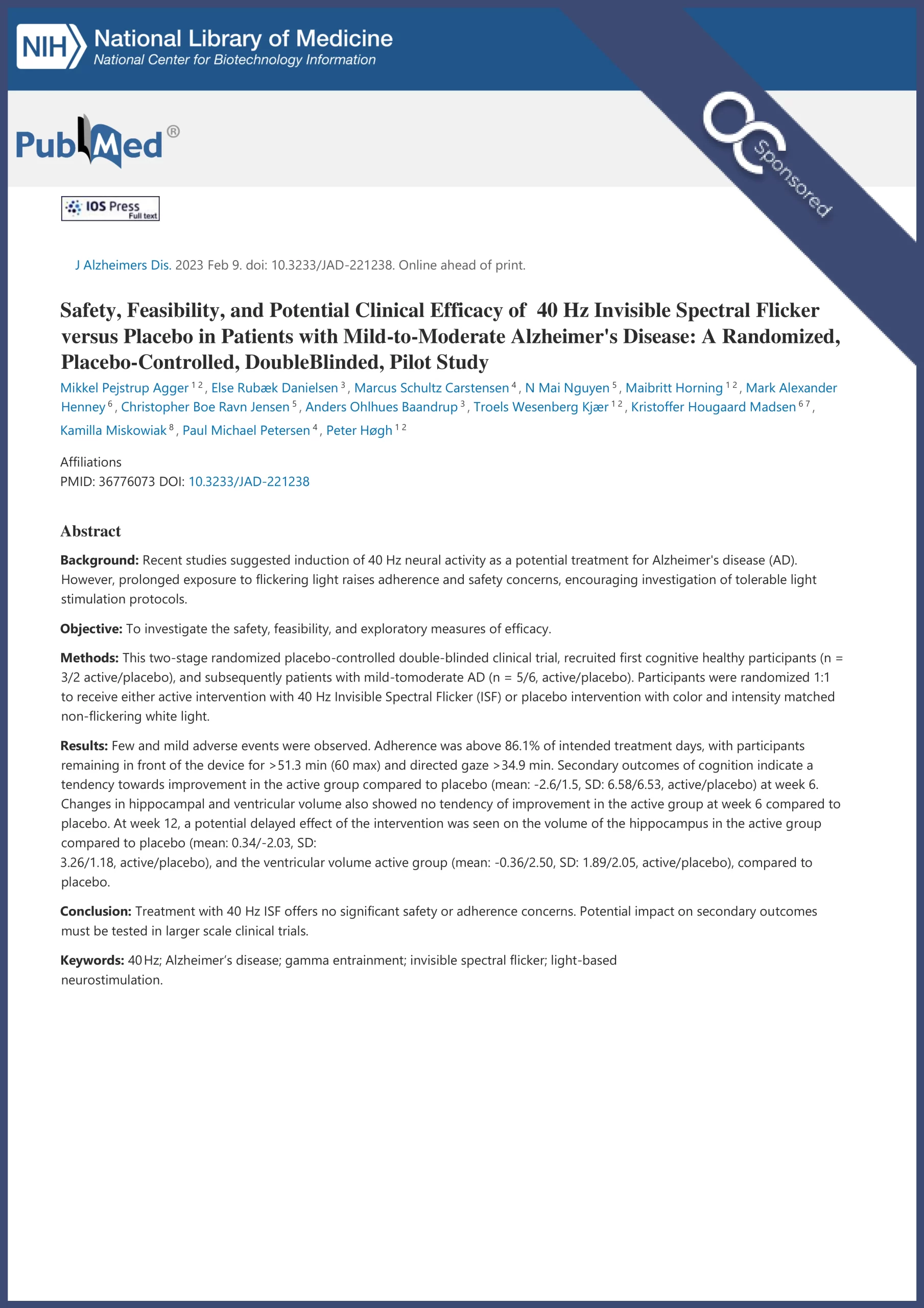
Agger et. al. 2023
This article is about a study that investigated the safety and effectiveness of using flickering light to treat Alzheimer's disease. The study found that the treatment was safe and well-tolerated, and there were some indications that it may have had a positive effect on cognitive function in some patients.
Click here to read more
Agger et. al. 2022
Researchers are investigating a novel treatment option for Alzheimer's disease using a Light Therapy System (LTS) that targets neural networks through non-invasive light temporally modulated at 40 Hz using Invisible Spectral Flicker (ISF). Early indications from small-scale studies on mice and humans suggest potential benefit in reducing the load of amyloid-β and tau and increasing visuo-spatial memory while seemingly being safe and feasible for use.
Click here to read more
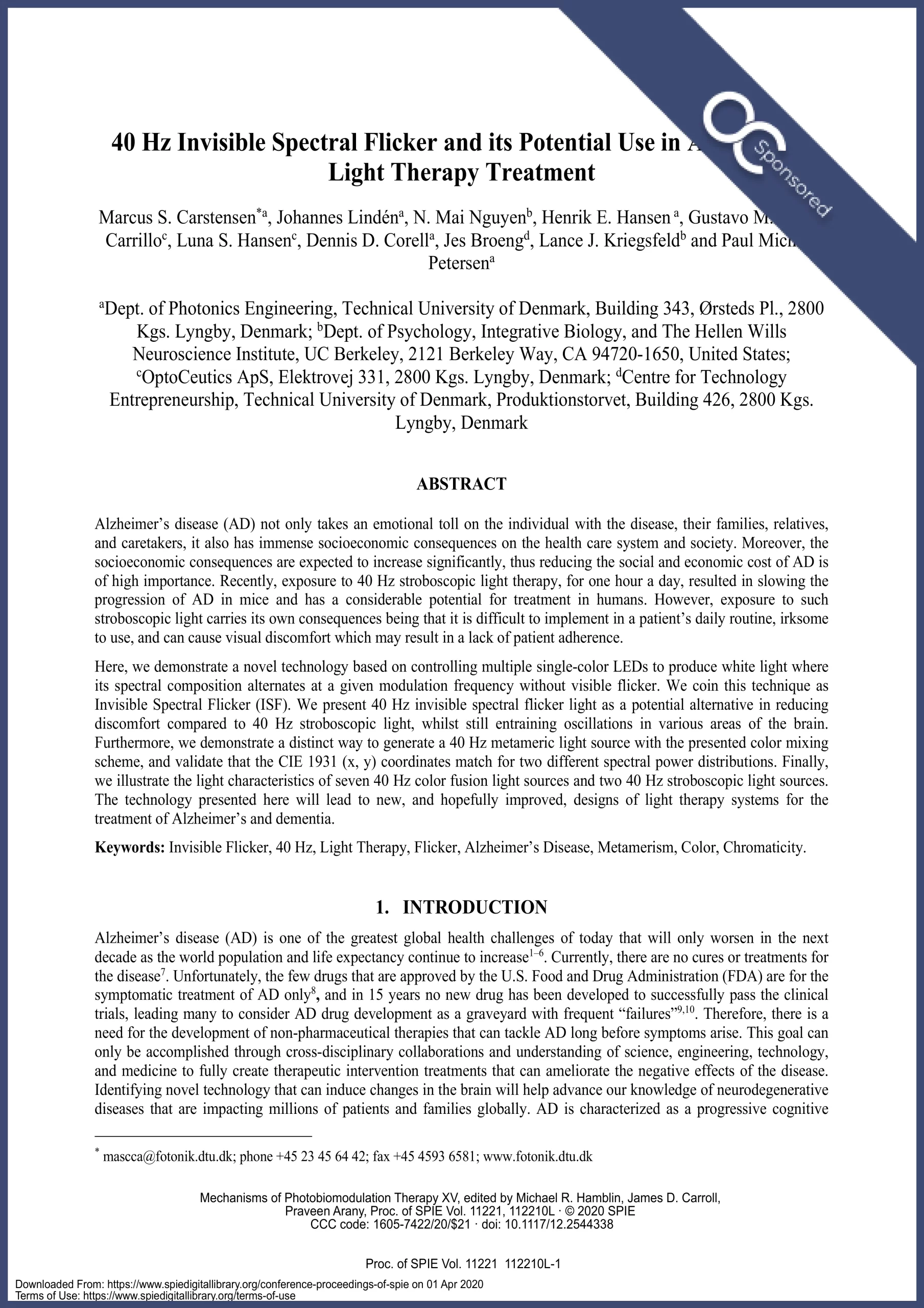
Carstensen et. al. 2020
This article discusses a potential treatment option for Alzheimer's disease involving exposure to 40 Hz stroboscopic light therapy, which has shown promise in slowing the progression of the disease in mice but can cause discomfort in patients. The article presents a new technique called Invisible Spectral Flicker (ISF), which can entrain the same oscillations in various areas of the brain without causing discomfort.
Click here to read more
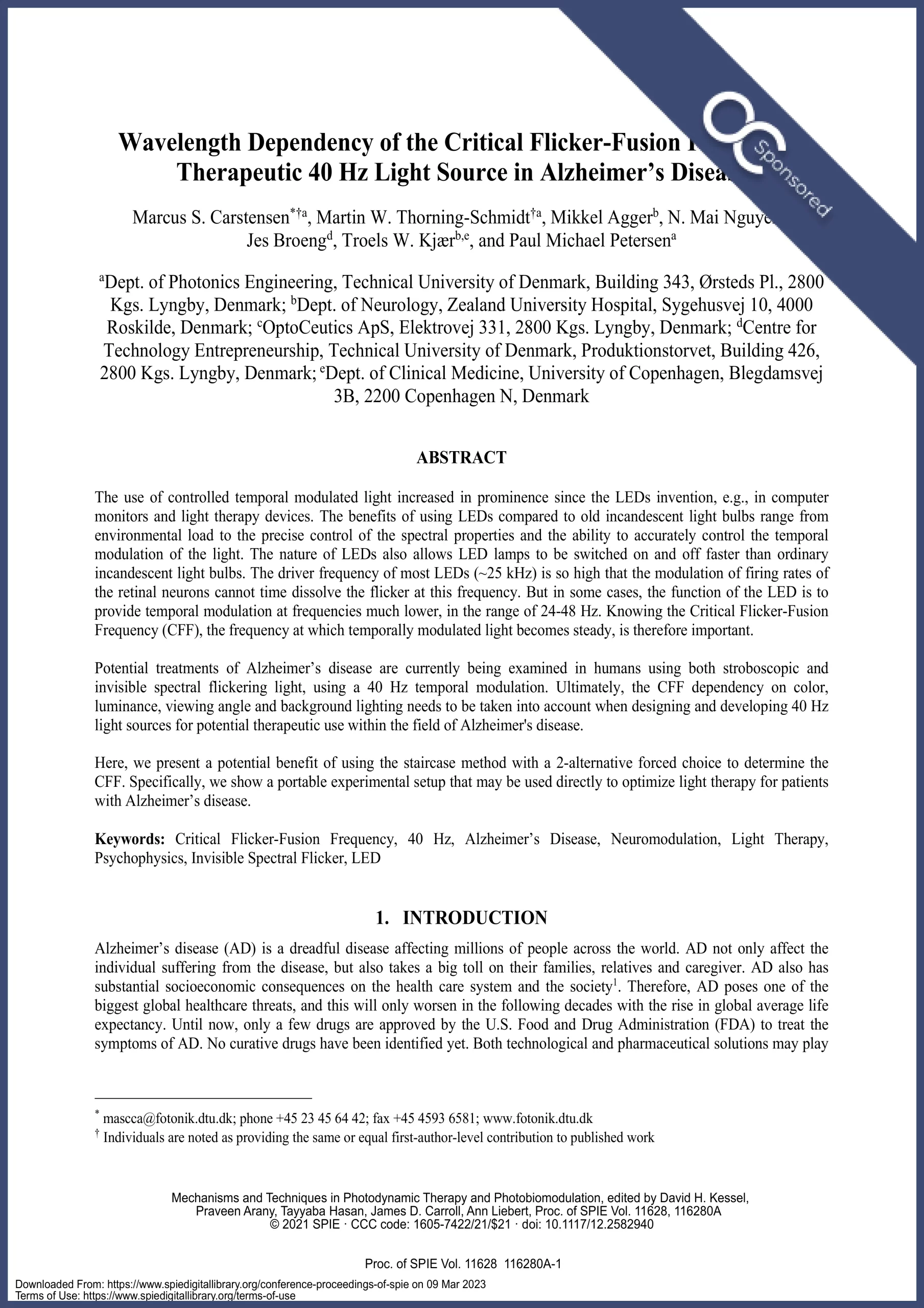
Carstensen et. al. 2021
This article discusses the use of LED lights with specific temporal modulations (in the range of 24-48 Hz) for potential therapeutic treatments of Alzheimer's disease. The article highlights the importance of understanding the Critical Flicker-Fusion Frequency (CFF) and presents a potential method for determining CFF using a portable experimental setup.
Click here to read more
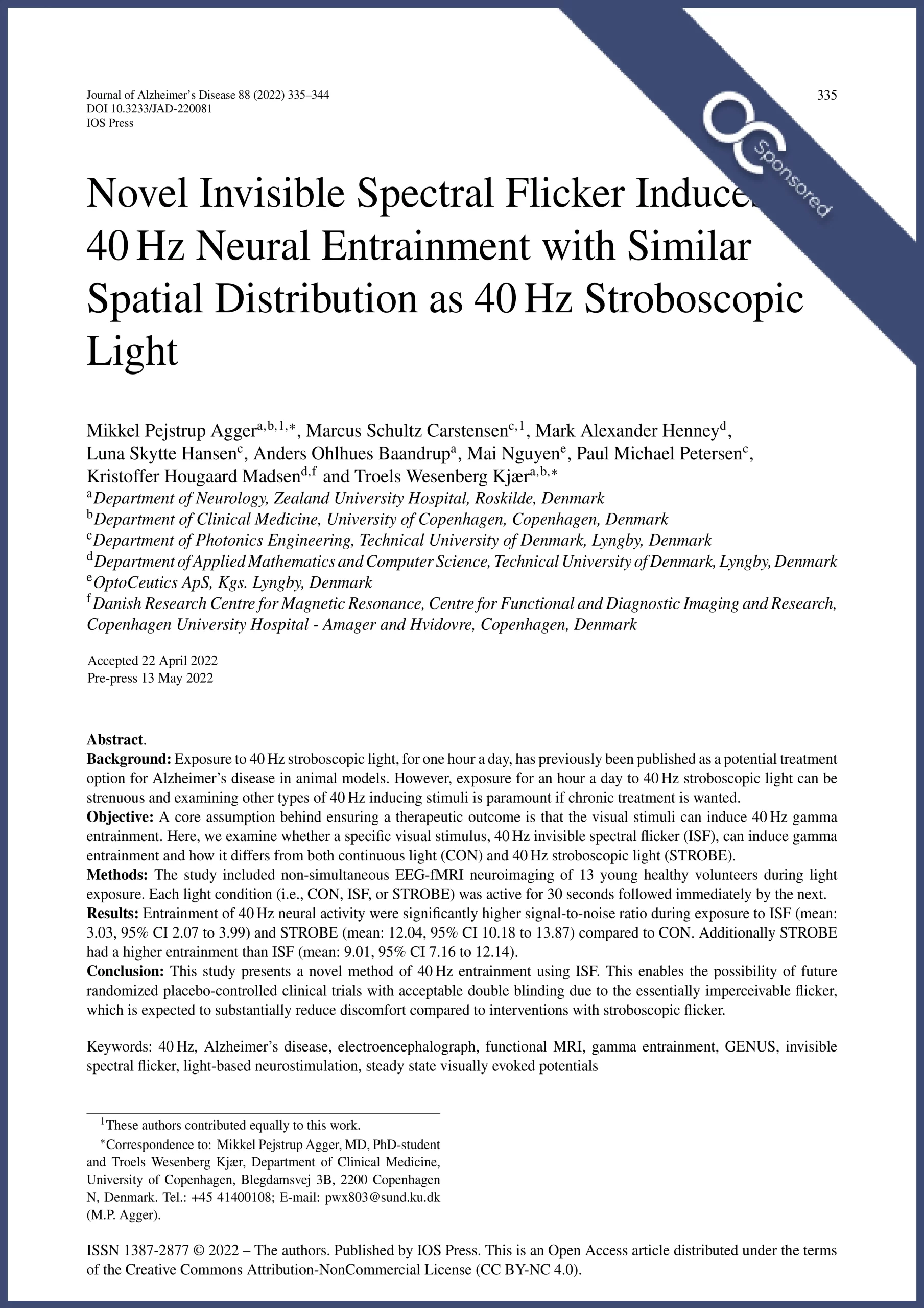
Agger et. al. 2022
This article explores the potential use of a specific type of visual stimulus, 40 Hz invisible spectral flicker (ISF), for inducing gamma entrainment in the brain. The study found that ISF was able to induce 40 Hz neural activity entrainment, similar to 40 Hz stroboscopic light, but with less discomfort and better potential for use in future clinical trials.
Click here to read more
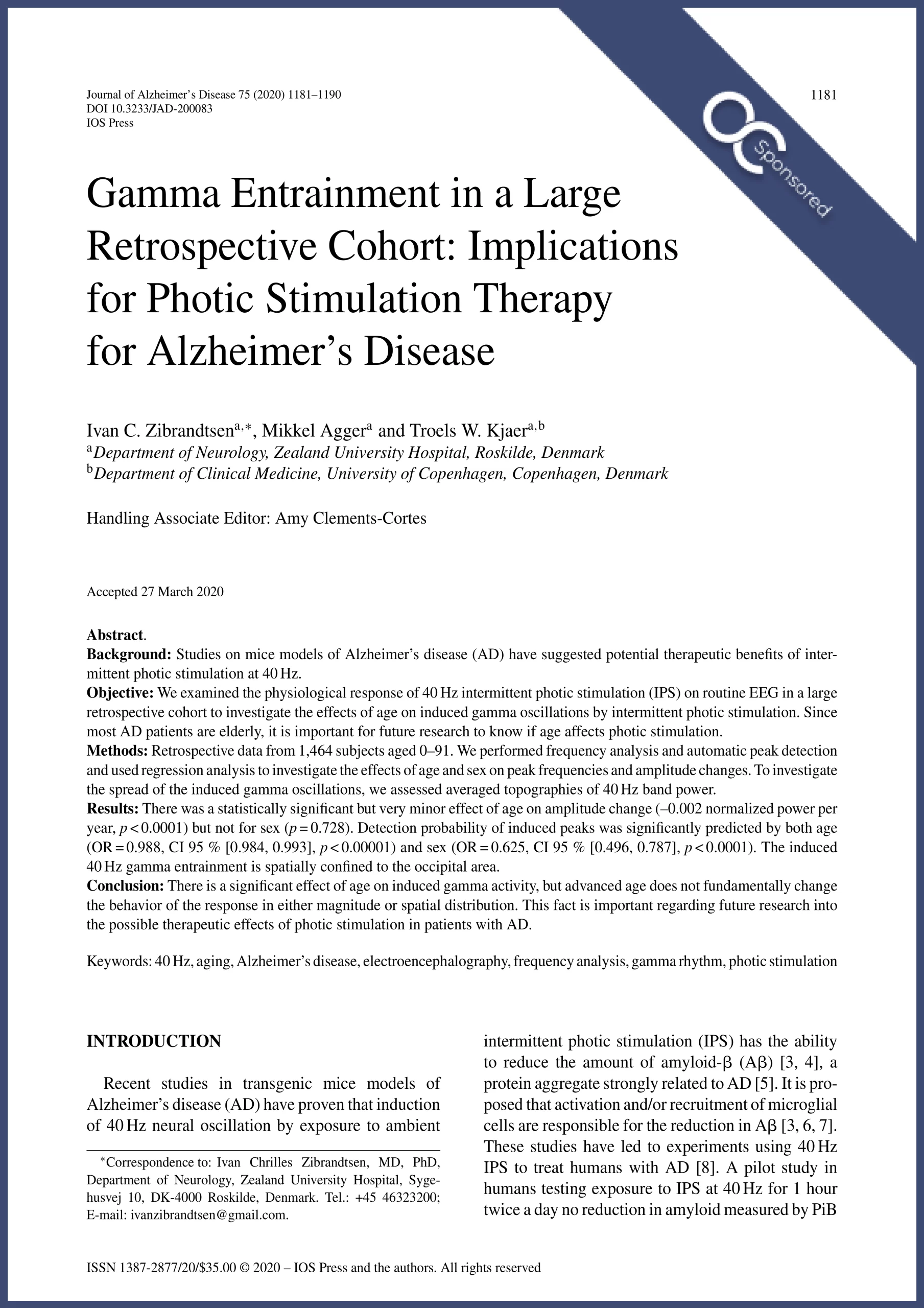
Zibrandtsen et. al. 2020
This A study examined how age affects the brain's response to intermittent photic stimulation (IPS) at 40 Hz, which has potential benefits for Alzheimer's disease. The induced gamma oscillations were mainly concentrated in the occipital area of the brain. These findings are important for future research on the therapeutic potential of photic stimulation for Alzheimer's patients.
Click here to read more
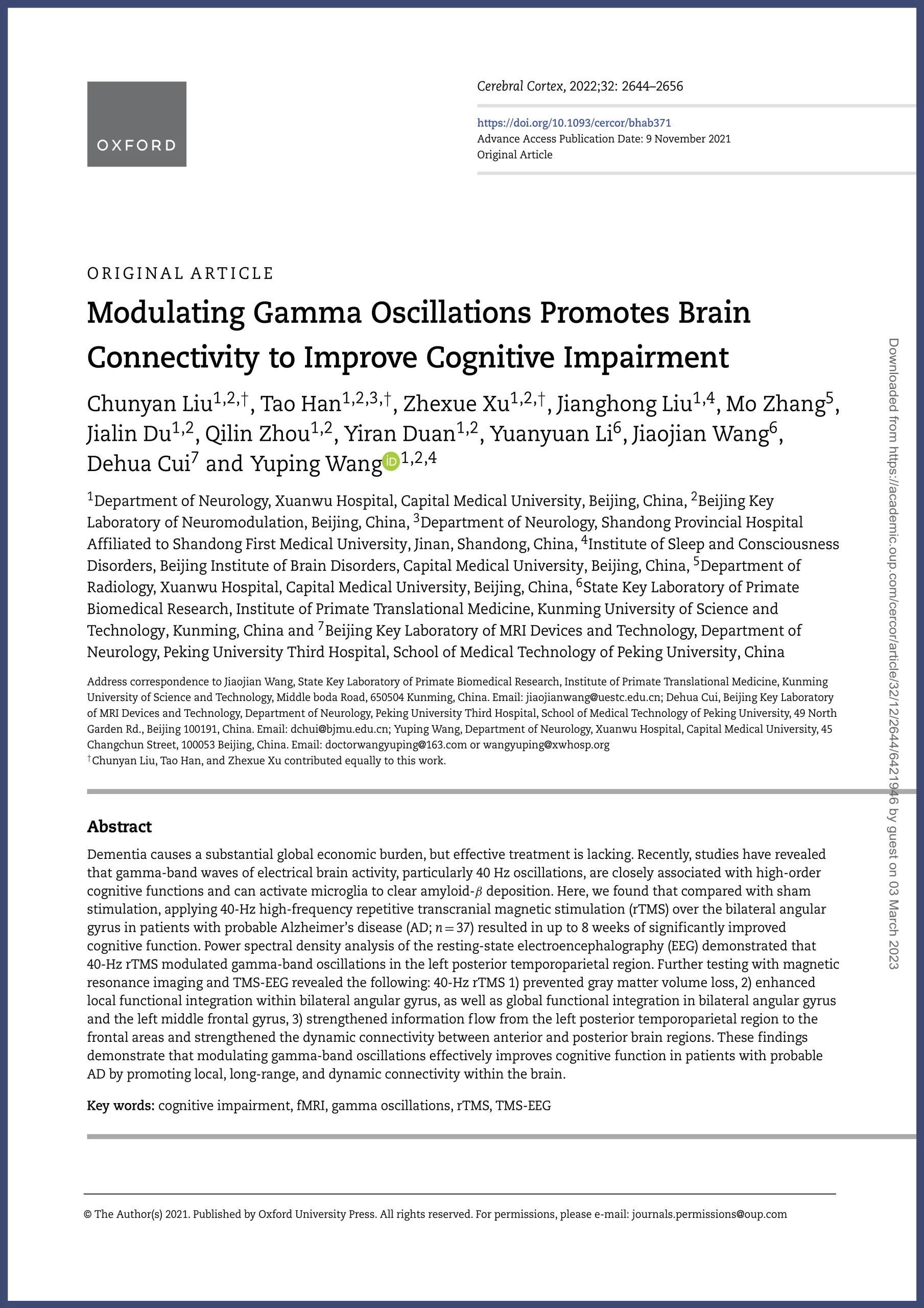
Liu et. al. 2022
This article discusses a study that used 40-Hz high-frequency repetitive transcranial magnetic stimulation (rTMS) to modulate gamma-band oscillations in patients with Alzheimer's disease (AD). The results showed that this technique improved cognitive function and prevented gray matter volume loss in the brain.
Click here to read more
Martorell et. al. 2019
This article reports that inducing gamma oscillations in the brain using auditory tone stimulation (gamma entrainment using sensory stimulus or GENUS) improves spatial and recognition memory, and reduces amyloid in the auditory cortex and hippocampus of Alzheimer's disease mouse models. The study also found that combining auditory and visual GENUS produced wide-ranging effects throughout the brain, reducing amyloid plaques and improving cognitive function.
Click here to read more
Adaikkan et. al. 2019
This article is about how inducing gamma oscillations with visual stimulation can reduce amyloid plaques and phosphorylated tau in mouse models of neurodegeneration. The study shows that the stimulation can preserve neuronal and synaptic density in multiple brain areas and improve cognitive performance.
Click here to read more

Iccarino et. al. 2016
This article is about how fast brain waves called gamma oscillations may help reduce the buildup of plaque in the brain associated with Alzheimer's disease. The researchers used light flickering at a specific frequency to stimulate these brain waves and observed a reduction in plaque levels in mice, suggesting a potential non-invasive treatment for Alzheimer's disease in the future.
Click here to read more
Christov et. al. 2016
This article investigates how the brain changes as people age, specifically looking at how the brain's electrical activity changes during tasks involving auditory discrimination. The study found that as people get older, their brain activity in certain frequency bands changes, which could have implications for understanding how cognitive processes change with age.
Click here to read more

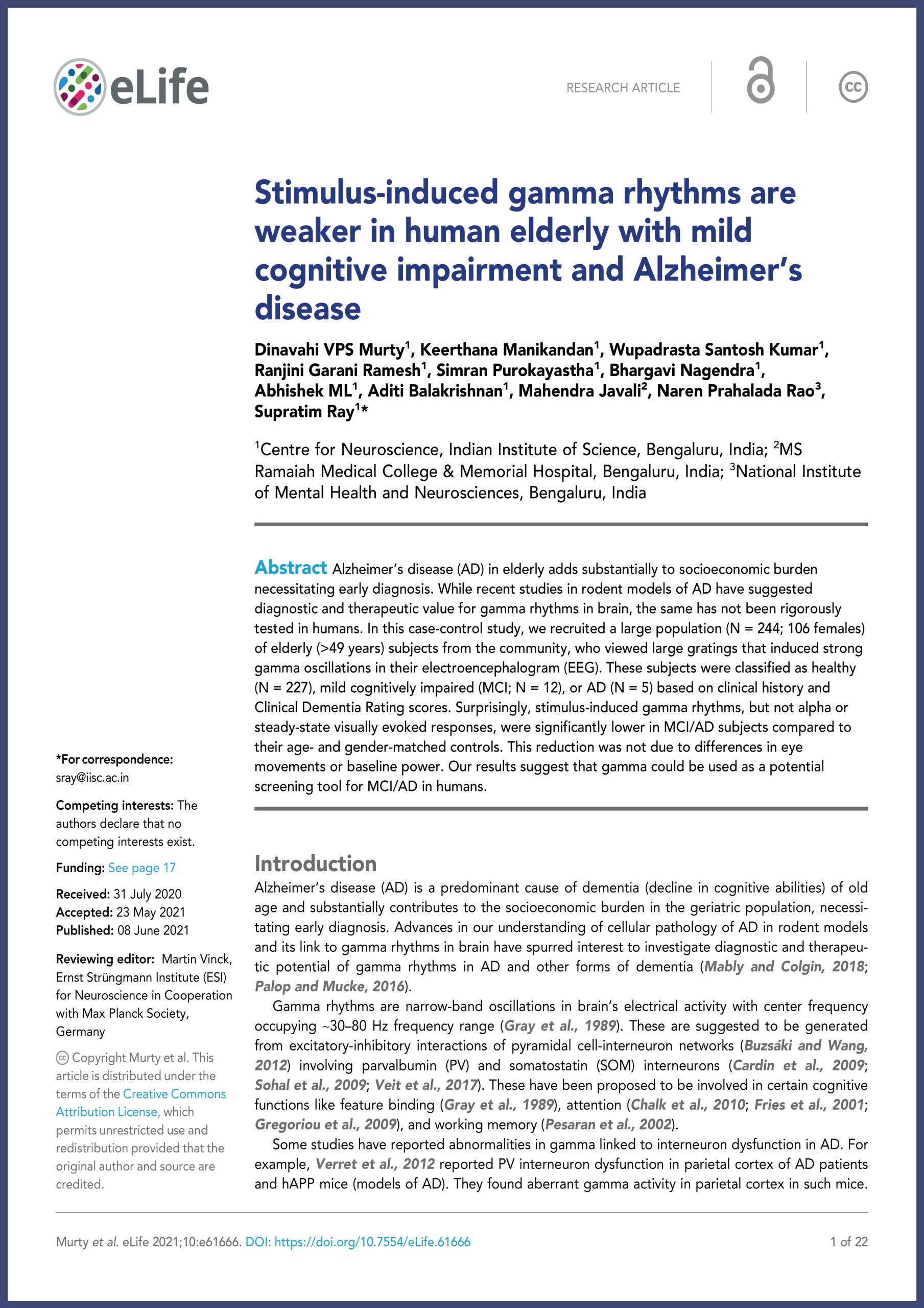
Murty et. al. 2021
This article is about how gamma rhythms in the brain may be used as a potential screening tool for mild cognitive impairment (MCI) and AD in humans. The study found that stimulus-induced gamma rhythms were significantly lower in MCI/AD subjects compared to their age- and gender-matched controls, suggesting that this could be a useful diagnostic tool.
Click here to read more
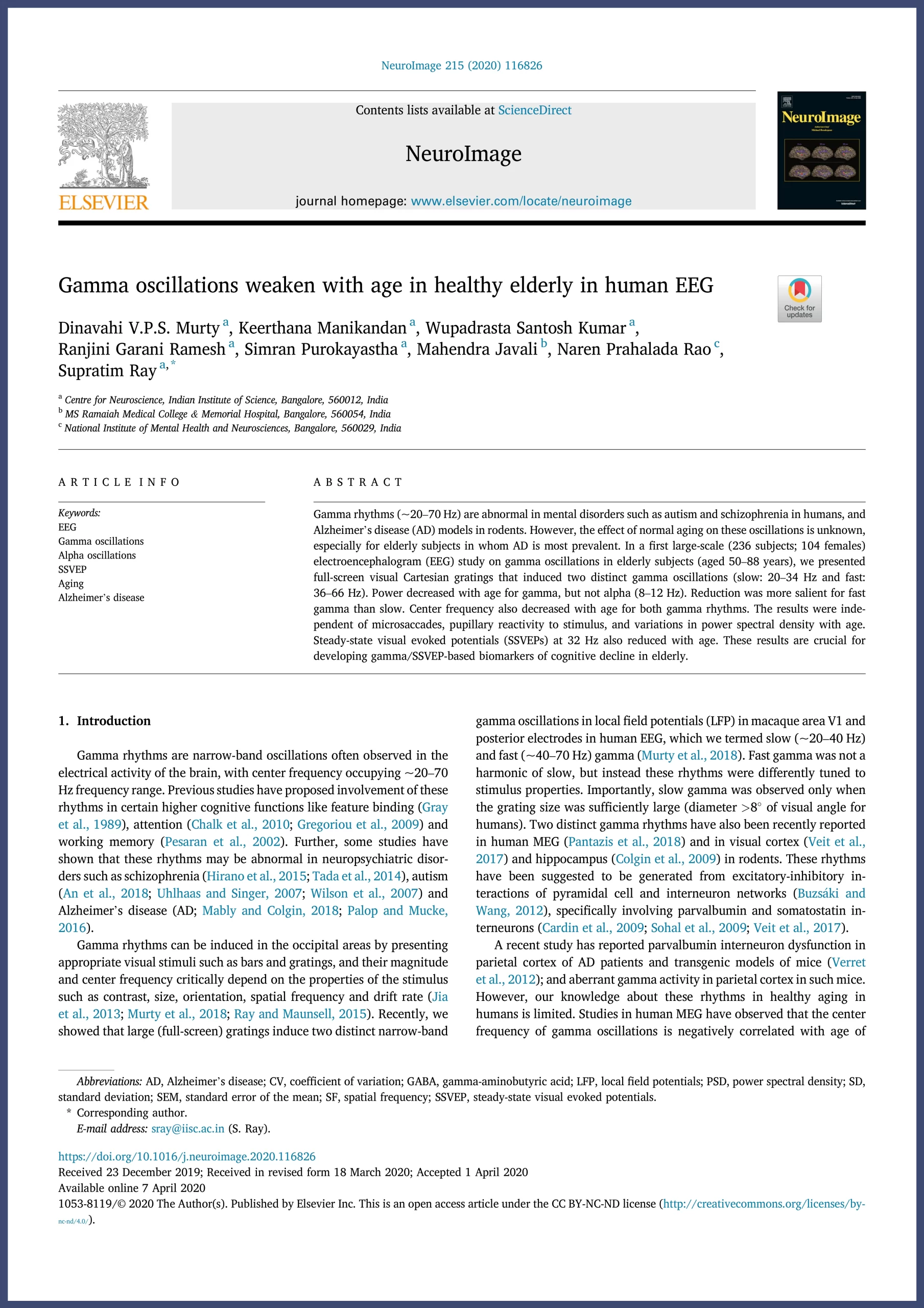
Murty et. al. 2020
This article discusses the findings of a study on the effect of normal aging on gamma oscillations in elderly subjects. The study found that power and center frequency of gamma rhythms decreased with age, and this reduction was more pronounced in fast gamma compared to slow gamma, which could be important for developing biomarkers of cognitive decline in the elderly.
Click here to read more
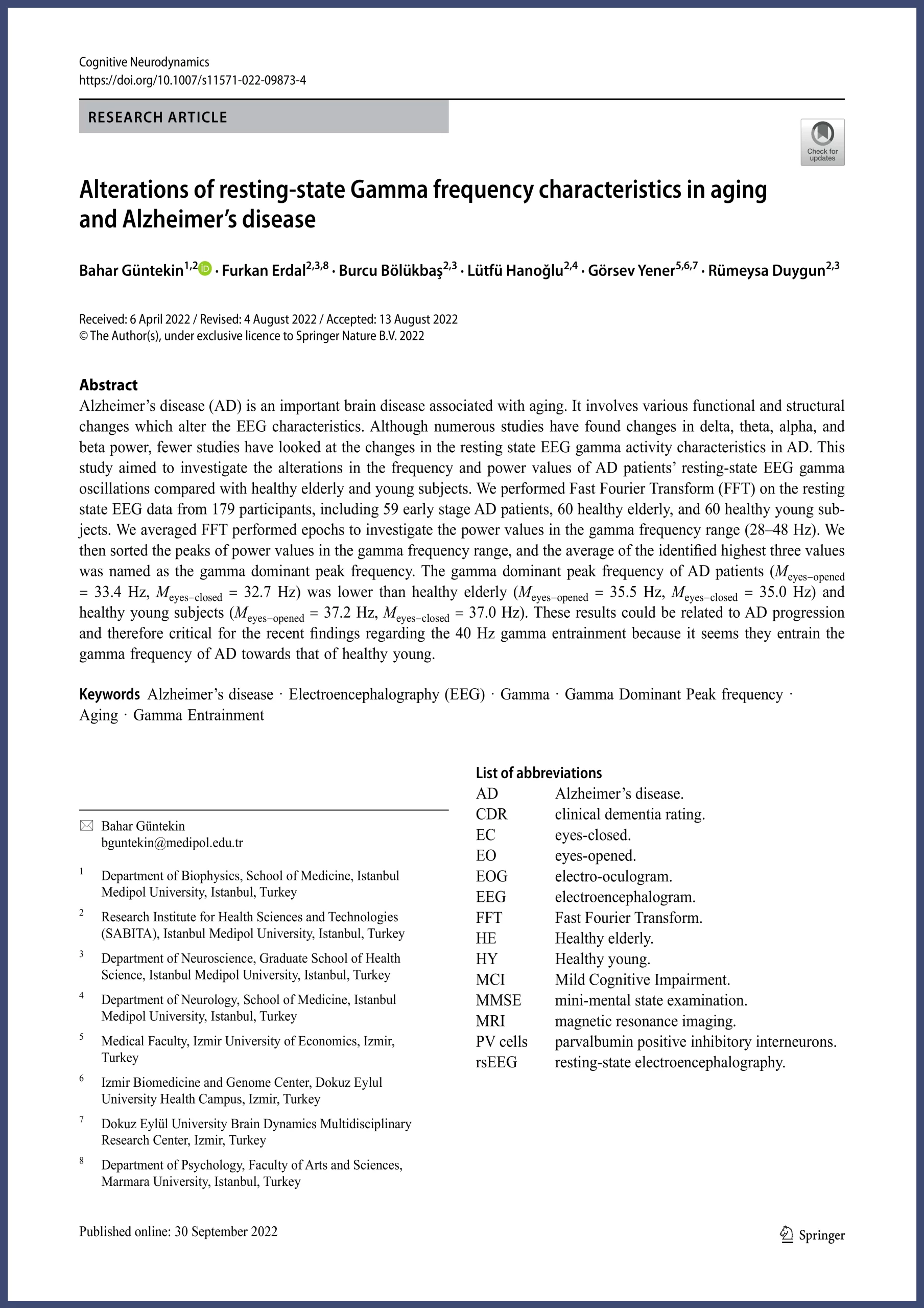
Guntekin et. al. 2022
This article discusses how Alzheimer's disease affects the gamma oscillations in the resting-state EEG of patients. The study found that the gamma dominant peak frequency of AD patients was lower compared to healthy elderly and young subjects, and this could be related to AD progression.
Click here to read more
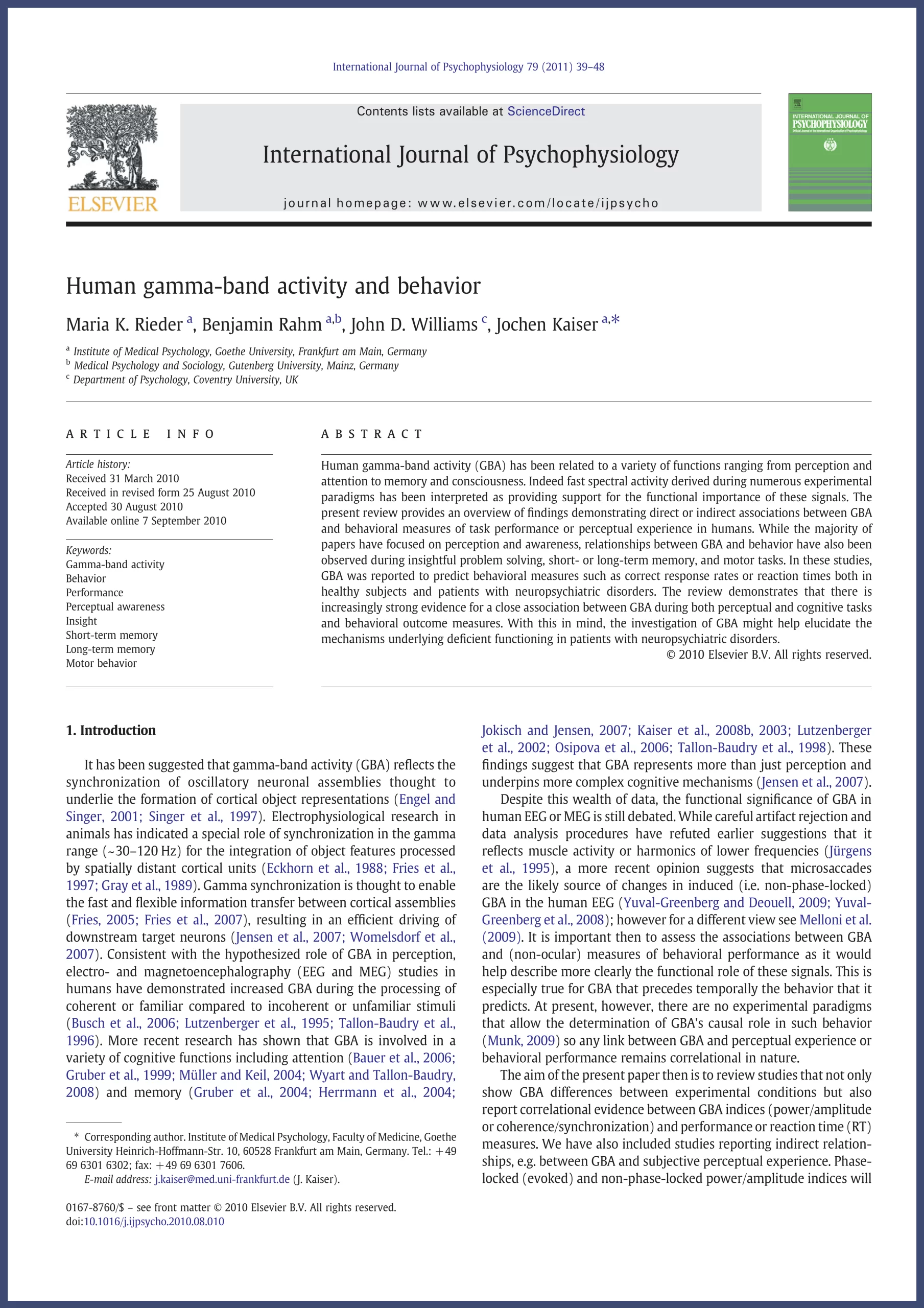
Reider et. al. 2010
This article is about how human gamma-band activity (GBA) is associated with various cognitive functions such as perception, attention, memory, and consciousness, and how it can predict behavioral measures such as reaction times and correct response rates. The review also suggests that studying GBA can help understand the mechanisms underlying neuropsychiatric disorders.
Click here to read more


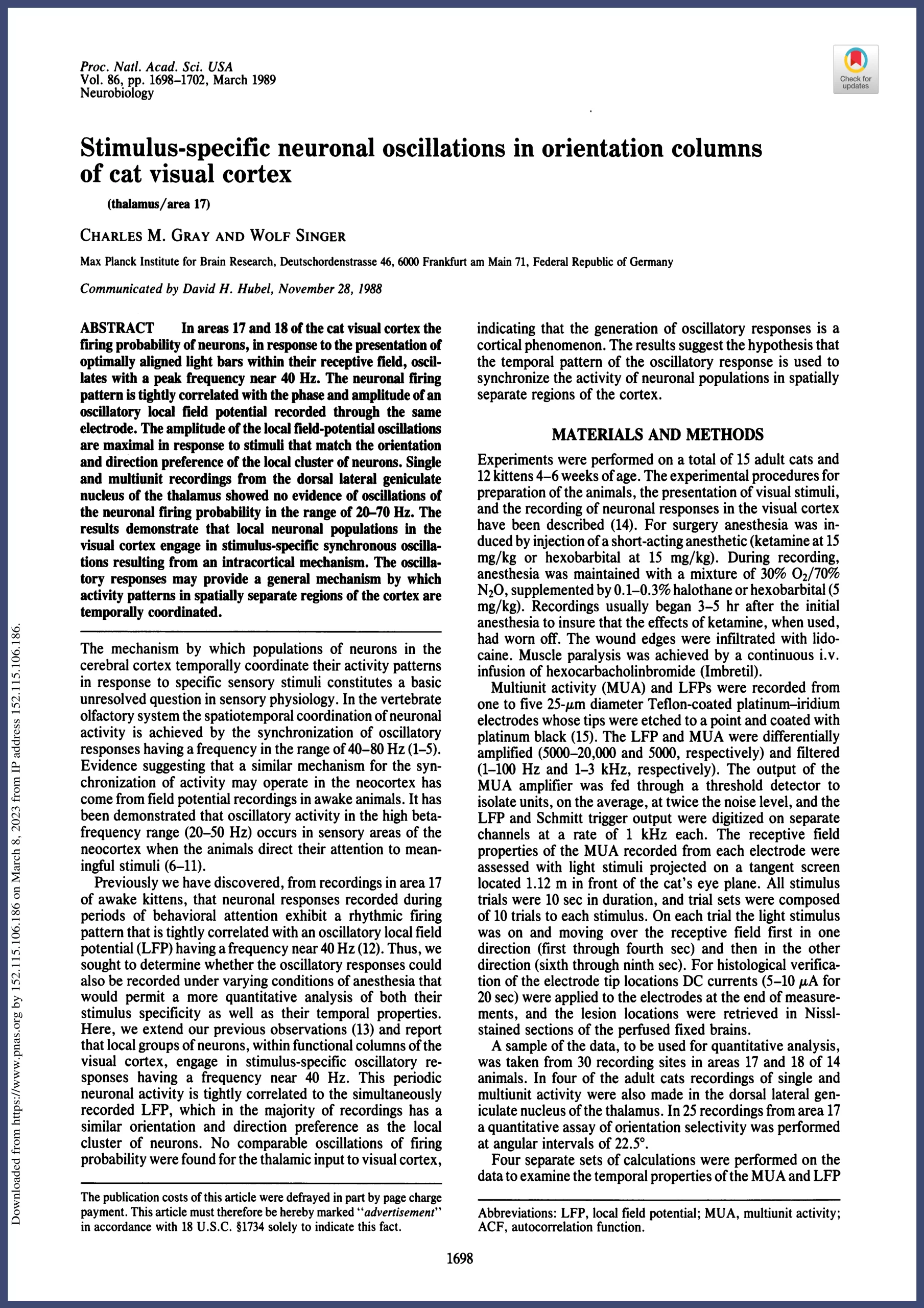
Gray et. al. 1988
This article discusses how neurons in the visual cortex of cats respond to specific visual stimuli, and how their firing patterns are synchronized with local field potential oscillations. The results suggest that this synchronous oscillation is specific to the cortical neurons, and may provide a way for different regions of the cortex to coordinate their activity.
Click here to read more
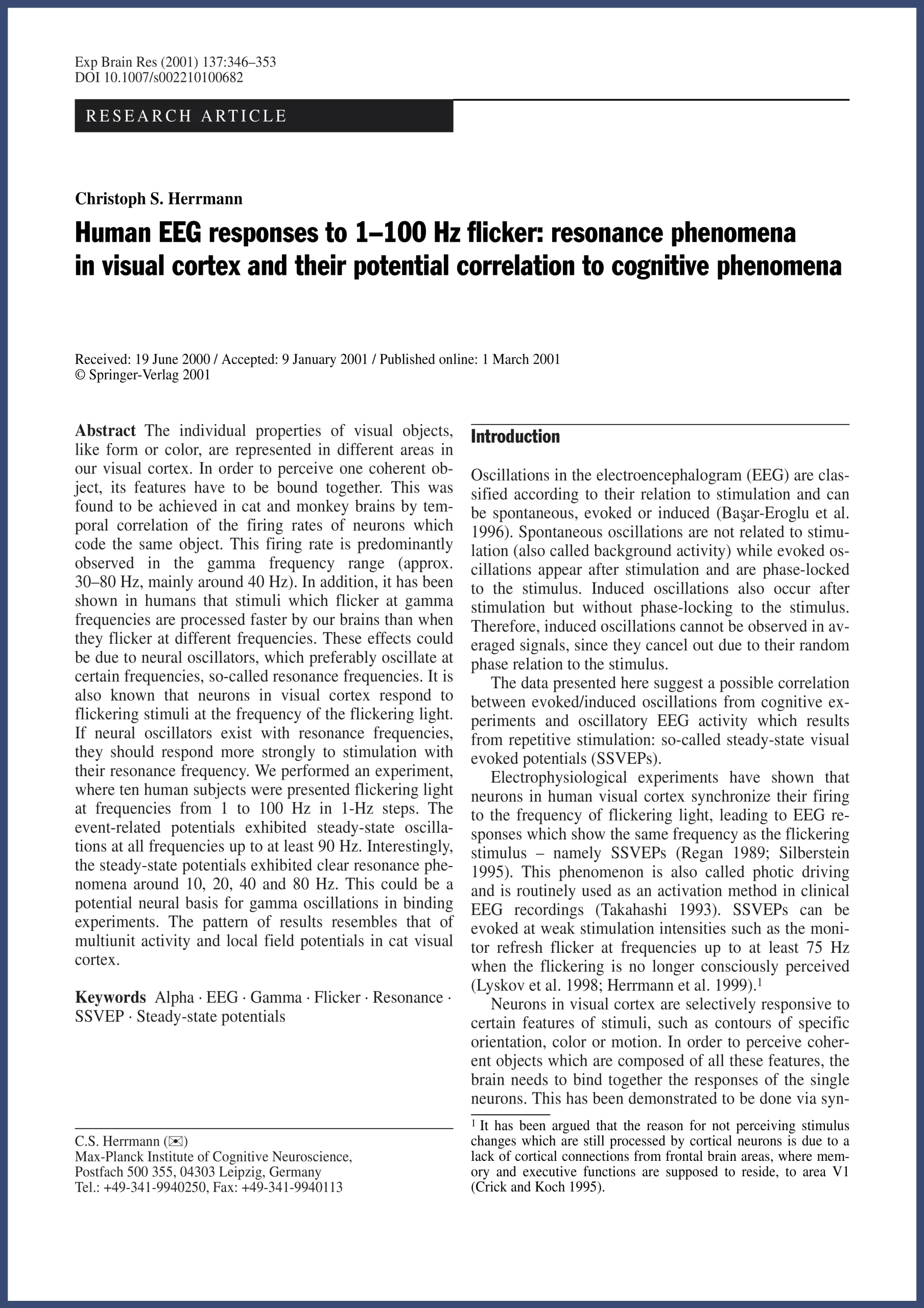
Herrmann et. al. 2001
This article discusses how the brain perceives visual objects and how their features are bound together. The study explores the role of neural oscillators in processing visual stimuli at different frequencies and their potential resonance frequencies, which could be a basis for gamma oscillations in binding experiments.
Click here to read more
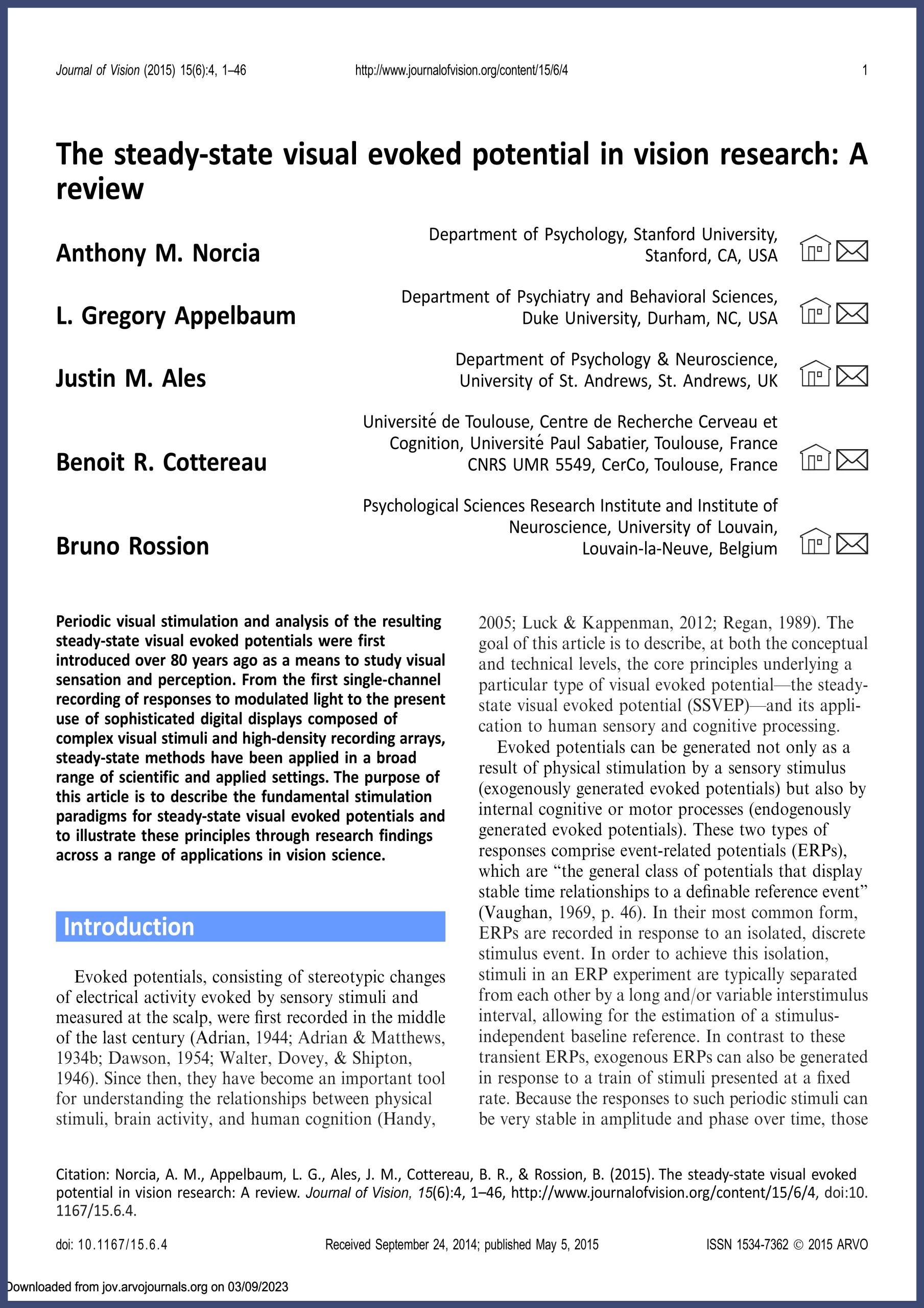
Norcia et. al. 2015
This article is about a technique called steady-state visual evoked potentials, which is used to study how the brain processes visual information. The technique involves presenting visual stimuli that change at a regular frequency and measuring the resulting electrical activity in the brain. The article describes how the technique has been used in various scientific and applied settings and provides examples of research findings in vision science.
Click here to read more


Dr. Jeffrey Cummings
Prof., MD, ScD, Neurology
A world-renowned Alzheimer’s researcher and clinical trial leader.
LEARN MORE

Dr. Henrik Zetterberg
Prof., MD, Neurochemist
Biomarkers expert on Alzheimer’s disease & other brain disorders.
LEARN MORE

Dr. William Jagust
Prof., MD. Alzheimer’s Expert
Distinguished expertise in PET imaging & Alzheimer’s research.
LEARN MORE

Dr. Silke Kern
Prof., PhD, MD,
Extensive experience in operational management of clinical trials.
LEARN MORE

Dr. Jan Pedersen
Biophysicist, PhD, MSc,
Innovative & highly experienced leader in drug discovery research.
LEARN MORE

Prof. Lance Kriegsfeld
Author, Vice Chair & Professor
Expert in animal research & preclinical study design.
LEARN MORE
Click Here to Learn Who We Are

Dr. Ngoc Mai Nguyen
CEO & Co-Founder
Visionary Leader in Neurotech & Therapeutic Innovation
LEARN MORE

Dr. Marcus Carstensen
CSO & Co-Founder
Innovator in Optical Science & Neurodegenerative Therapies
LEARN MORE


Ngoc Mai Nguyen, PhD
Marcus S. Carstensen, PhD

David Hardwick

Vivienne Ming, PhD

Kaare Agerholm Danielsen, PhD

Jes Broeng, PhD


Click Here to Ask Questions or See a Demo
 Order EVY Today
 CLICK HERE FOR HELP ORDERING
 New: Independent Memory Care Study
 EVY is a general wellness product and is not intended to diagnose, treat, prevent, or cure any disease or medical condition.


